

If you know me, you know I’m that person at work – the one sending you all the event invites and decorating the shared spaces for every possible holiday…even the ones I make up for fun!
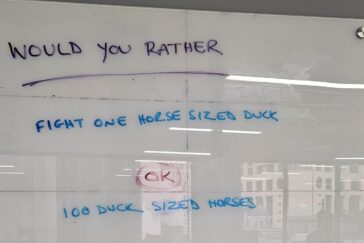
Over the years I’ve organised fundraisers, office-wide Easter egg hunts, Christmas in July lunches, Last Man Standing football groups, and “Would you rather?” questions on whiteboards.
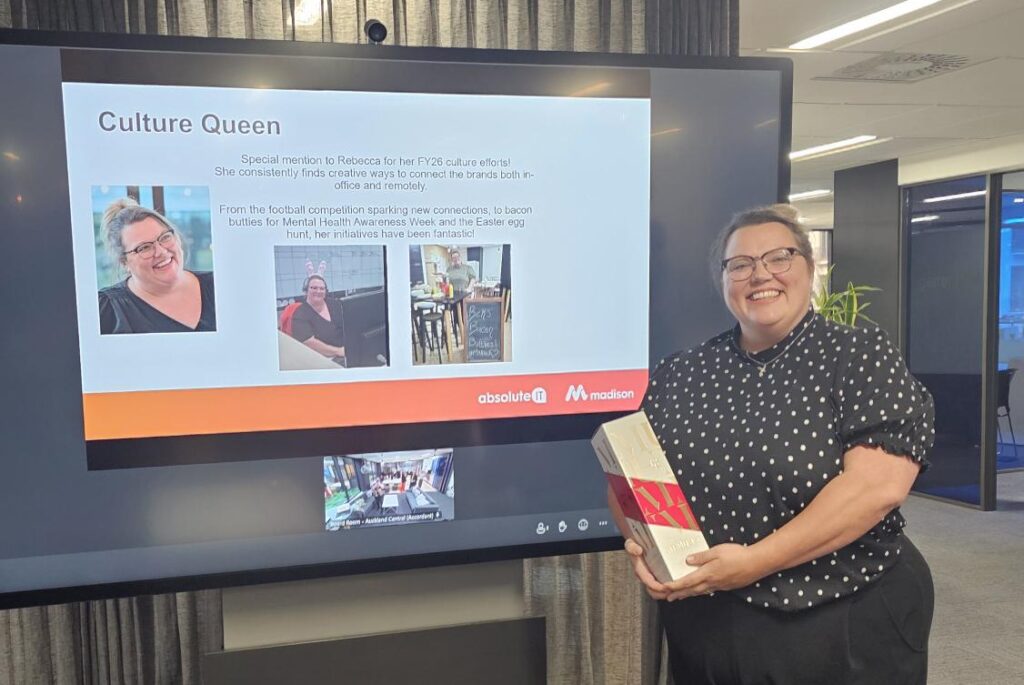
I’ve won “awards” for being the office Culture Queen (not sure how official they are, but hey, I’ll take them!), made my team dance during Teams meetings, and every now and then I randomly cook bacon butties for anyone who wants one (because yum). When I went travelling people knew me as Beckie Bacon!
People assume I do all this because I love fun and events, and don’t get me wrong – I do! But that’s not the real reason.
I do stuff like this because I care about connection, and I care about connection because I’ve experienced the other side of it. I know what it’s like to feel lonely and isolated, and to struggle with my own mental health. There have been periods in my life when I really felt I had nobody to lean on. Having to rescue myself was one of the hardest things I’ve ever done, and it taught me how much difference a small act of kindness or inclusion can make to someone who’s struggling.
Connection Doesn’t Need to be a Big Production
Last week was Mental Health Awareness Week (12 to 18 October 2026) and the theme was Belonging Matters – a theme that obviously really hits home for me. It’s all about the small, everyday moments that help people feel valued, connected, and included.
When people talk about building connection and belonging at work, it’s easy to picture an expensive team-building day or a calendar full of compulsory fun, but it doesn’t need to be either of those. It doesn’t even really need a budget. I honestly believe that the moments that matter most are the ordinary ones:
- Asking someone how they are (and staying long enough to hear the answer)
- Inviting a new team member to lunch
- Checking in with someone who’s gone quiet
- Leaving a funny conversation starter where people will see it
- Giving everyone a few minutes to catch up before a meeting starts
- Recognising work that usually happens quietly
- Celebrating a small win together
Of course policies, benefits, and wellbeing initiatives still matter, but people experience culture day to day: who gets invited, whose work gets noticed, and whether they can be themselves without pretending everything’s fine when it’s not. The way I see it, culture is what people experience on an average Tuesday, not what’s in the employee handbook.
Why Food, Football, and Silly Questions Help
Most of the events and activities I organise are light-hearted, and that’s intentional. I know an Easter egg hunt won’t solve anyone’s problems, and that a debate about whether you’d rather fight one horse-sized duck or 100 duck-sized horses isn’t exactly productive.
But things like that give people an opening. They provide a reason to stop, have a laugh, maybe chat to someone or start a convo that wouldn’t otherwise have happened. It could mean that the newbie gets to know the team beyond the usual introductions, or someone who’s had a rough morning gets a few minutes of fun that brightens their day. Or maybe colleagues who would never work together find out they have something in common, even if it’s a deeply questionable football prediction.
Food is the best of the lot. It’s a bit of a cliché, but it really does bring people together. Whatever your role or personality – everybody has to eat! And I’ve seen plenty of conversations start with someone eyeballing someone else’s lunch and asking them what they have.
For me personally, it’s never really about the kai or the game. That’s just a way in, so that people can connect as humans first, and colleagues second.
Connection Looks Different for Everyone
Organising so many activities has taught me that people don’t all connect in the same way. Some people will walk into a busy room and chat to anyone, but others find big social events uncomfortable or exhausting. Some people will turn up to anything with food, while others would rather join a group built around something they already enjoy. And some people are working remotely, juggling family commitments, or dealing with things nobody else knows about.
So, belonging can’t mean expecting everyone to join in the same way. In my experience, it works better to offer a mix of bigger events, small team catch-ups, online activities, and informal moments through the day, without pressuring anyone. Most of all, notice who might be getting left out by accident without anyone meaning it.
The best workplace activities feel like something people have been welcomed into, not something imposed on them (although I reserve the right to insist on the occasional Teams dance).


What Leaders Can Do
You don’t need an office ‘Culture Queen’ like me to help people feel like they belong. Leaders set the tone through their repeated actions. So things like:
- Asking questions that go beyond deadlines and workloads, and recognising people personally
- Welcoming new team members with more than just a formal induction or some banded merch
- Giving relationships time to develop during the workday, rather than being focused solely on output
It’s important to make mental health support comprehensive and easy to find too. The government’s free Business Mental Health Toolkit is a great resource for employers, including those without a formal employee assistance programme.
People don’t expect leaders to have every answer or fix what someone is going through. Often the most useful thing you can do is listen without judgement and help find the right support.
Who Needs an Invitation?
Work matters, but it isn’t our whole life. Amid the pressures and demands of work, I think it’s important to make space for connection, laughter, and reminding each other that we’re not alone. You may never know what someone is carrying when they walk in, or how much an invitation, a conversation, or a shared meal might mean to them.
Mental Health Awareness Week has been and gone, but human connection is something that’s important every day of the year. So I’d really encourage everyone to think about what belonging looks like in your workplace. Who needs an invitation? Who deserves to be recognised? Who haven’t you spoken to in a while? It doesn’t need to be complicated – just start small, make it real, and if in doubt, food usually helps!
If you or someone you know is struggling, you can call or text 1737 for free, any time, to talk with a trained counsellor.